2 Eylül’de Uyudular, 14 Eylül’de Uyandılar
Britanya, 1752 yılında Jülyen takviminden Gregoryen takvimine geçerken 11 günü takvimden çıkardı. Bu değişiklik yalnızca tarihleri değil, kiraları, dini günleri ve halk arasında anlatılan ilginç hikâyeleri de etkiledi.


English
They Went to Sleep on 2 September and Woke Up on 14 September
In 1752, Britain removed 11 days from the calendar when it switched from the Julian calendar to the Gregorian calendar. The change affected not only dates, but also rents, religious observances and a number of unusual stories that have survived from the period.
The 11 Days That Disappeared Overnight
On the night of 2 September 1752, people across Britain went to sleep. When they woke the next morning, the calendar did not show 3 September. It showed 14 September.
Britain had removed 11 days from the calendar overnight.
The reason was that the country had abandoned the Julian calendar, which it had used for centuries, and adopted the Gregorian calendar already followed across much of continental Europe.
The Julian Calendar’s Small Error
The Julian calendar was introduced in 46 BC under Julius Caesar. It was remarkably accurate for its time, but it calculated the solar year as approximately 11 minutes longer than it really was.
Although this error seemed small, it accumulated over the centuries and gradually caused the calendar to move out of alignment with the seasons. It created particular difficulties when calculating religious observances such as Easter.
To address the problem, Pope Gregory XIII introduced the Gregorian calendar in 1582. Catholic countries including France, Spain, Italy and Portugal quickly adopted the new system.
Why Did Britain Wait So Long?
Protestant Britain remained wary of a calendar introduced by the Pope. Because of the religious conflicts of the period, the Gregorian calendar was widely viewed as a Catholic system.
By the 1750s, however, there was an 11-day difference between the calendar used in Britain and the one followed across much of continental Europe. As trade, contracts and official correspondence increased, this difference caused growing confusion.
The British Parliament eventually approved the change through the Calendar (New Style) Act 1750. Under the new arrangement, Wednesday 2 September 1752 was followed not by Thursday 3 September, but by Thursday 14 September.
“Give Us Our Eleven Days”
For many years, it has been claimed that people took to the streets after the calendar change, shouting, “Give us our eleven days.”
Some people were reportedly concerned that their lives had been shortened by 11 days. Others were unhappy about changes to religious observances and saw the Gregorian calendar as a Catholic imposition.
However, many historians doubt that large-scale calendar riots actually took place. The story may have become popular partly because of a banner reading “Give us our Eleven Days” in William Hogarth’s 1755 work An Election Entertainment.
It is therefore clear that the reform caused confusion and unease, but claims of widespread protests across the country remain disputed.
What Happened to Rents and Contracts?
Removing 11 days from the calendar also had the potential to create problems involving rents and contracts.
Legal measures were therefore introduced to prevent people from being forced to make early payments or having their contracts declared invalid solely because of the calendar change.
The dates of Easter and other religious observances were also adjusted to fit the new system.
The Man Who Claimed to Have Danced for 12 Days
One of the most unusual stories from the period concerns William Willett of Endon.
According to the tale, Willett made a bet with his friends that he could dance continuously for 12 days and 12 nights. He began dancing on the evening of 2 September 1752.
When he stopped the following morning, the calendar showed 14 September. Willett therefore claimed that he had danced for 12 days and had won the bet.
We do not know whether he received the money. But the story captures the confusion created when Britain moved forward by 11 days overnight.
Bir Gecede Kaybolan 11 Gün
2 Eylül 1752 gecesi Britanya’da uykuya dalan insanlar, ertesi sabah uyandıklarında takvimlerin 3 Eylül’ü değil, 14 Eylül’ü gösterdiğini gördü.
Britanya, bir gecede takvimden 11 günü çıkarmıştı.
Bunun nedeni, ülkenin yüzyıllardır kullandığı Jülyen takvimini bırakıp Kıta Avrupası’nın büyük bölümünde kullanılan Gregoryen takvimine geçmesiydi.
Jülyen Takvimindeki Küçük Hata
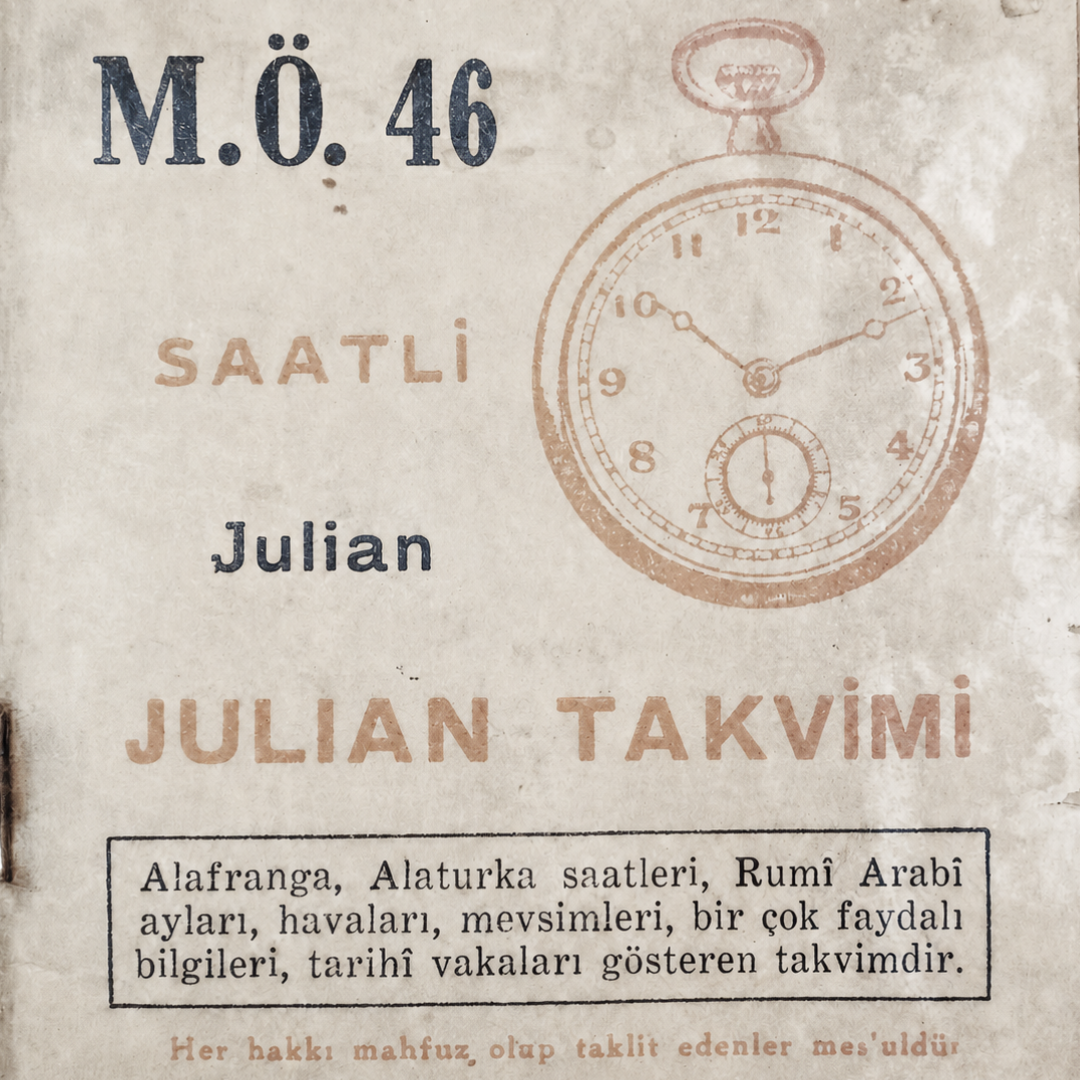
Jülyen takvimi, MÖ 46 yılında Julius Caesar döneminde uygulanmaya başlanmıştı. Dönemine göre oldukça başarılıydı ancak güneş yılını yaklaşık 11 dakika uzun hesaplıyordu.
Küçük görünen bu hata yüzyıllar boyunca birikerek takvimin mevsimlerden uzaklaşmasına neden oldu. Özellikle Paskalya gibi dini günlerin hesaplanmasında sorunlar yaşanmaya başladı.
Papa XIII. Gregorius bu sorunu çözmek için 1582 yılında Gregoryen takvimini yürürlüğe koydu. Fransa, İspanya, İtalya ve Portekiz gibi Katolik ülkeler yeni takvime hızla geçti.

Britanya Neden Geç Kaldı?
Protestan Britanya, Papa tarafından geliştirilen bu sisteme uzun süre mesafeli yaklaştı. Dönemin mezhep çatışmaları nedeniyle Gregoryen takvimi Katolik bir uygulama olarak görülüyordu.
Ancak 1750’lere gelindiğinde Britanya ile Kıta Avrupası’nın takvimleri arasında 11 günlük fark oluşmuştu. Yoğunlaşan ticaret, sözleşmeler ve resmî yazışmalar nedeniyle bu fark giderek daha fazla karmaşaya yol açıyordu.
Britanya Parlamentosu sonunda 1750 tarihli Yeni Usul Takvim Yasası ile Gregoryen takvimine geçme kararı aldı. Buna göre 2 Eylül 1752 Çarşamba gününden sonra 3 Eylül değil, 14 Eylül Perşembe günü gelecekti.
“On Bir Günümüzü Geri Verin”
Takvim değişikliğinin ardından halkın “On bir günümüzü geri verin” diyerek sokaklara çıktığı uzun yıllardır anlatılıyor.
Bazı insanların hayatlarının 11 gün kısaldığını düşündüğü, dini günlerin değişmesinden rahatsız olduğu ve Gregoryen takvimini Katolik bir dayatma olarak gördüğü biliniyor.
Ancak birçok tarihçi, büyük çaplı takvim isyanlarının gerçekten yaşandığından şüpheli. Bu anlatının yaygınlaşmasında William Hogarth’ın 1755 tarihli An Election Entertainment adlı tablosunda görülen “Give us our Eleven Days” pankartının etkili olduğu düşünülüyor.
Yani değişikliğin kafa karışıklığı yarattığı kesin olsa da ülke çapında büyük protestolar yaşandığı iddiası tartışmalı.

Kiralar ve Sözleşmeler Ne Oldu?
Takvimden 11 günün çıkarılması, kiralar ve sözleşmeler konusunda da sorun yaratabilirdi.
Bu nedenle insanların takvim değişikliği yüzünden erken ödeme yapmaya zorlanmaması veya sözleşmelerinin geçersiz sayılmaması için hukuki düzenlemeler yapıldı.
Paskalya ve diğer dini günlerin tarihleri de yeni takvime göre güncellendi.
12 Gün Dans Ettiğini Söyleyen Adam
Dönemin en ilginç hikâyelerinden biri Endonlu William Willett’e ait.
Anlatıya göre Willett, 12 gün 12 gece hiç durmadan dans edebileceğine dair arkadaşlarıyla bahse girdi. 2 Eylül 1752 akşamı dans etmeye başladı.
Ertesi sabah takvimler 14 Eylül’ü gösterdiğinde dansı bıraktı ve 12 gün boyunca dans ettiğini söyleyerek iddiayı kazandığını öne sürdü.
Parasını alıp almadığını bilmiyoruz. Ancak bu hikâye, Britanya’nın bir gecede 11 gün ileri gitmesinin yarattığı kafa karışıklığını oldukça iyi özetliyor.
Kaynak: https://www.historic-uk.com/HistoryUK/HistoryofBritain/Give-us-our-eleven-days/
Bir Cevap Yazın